
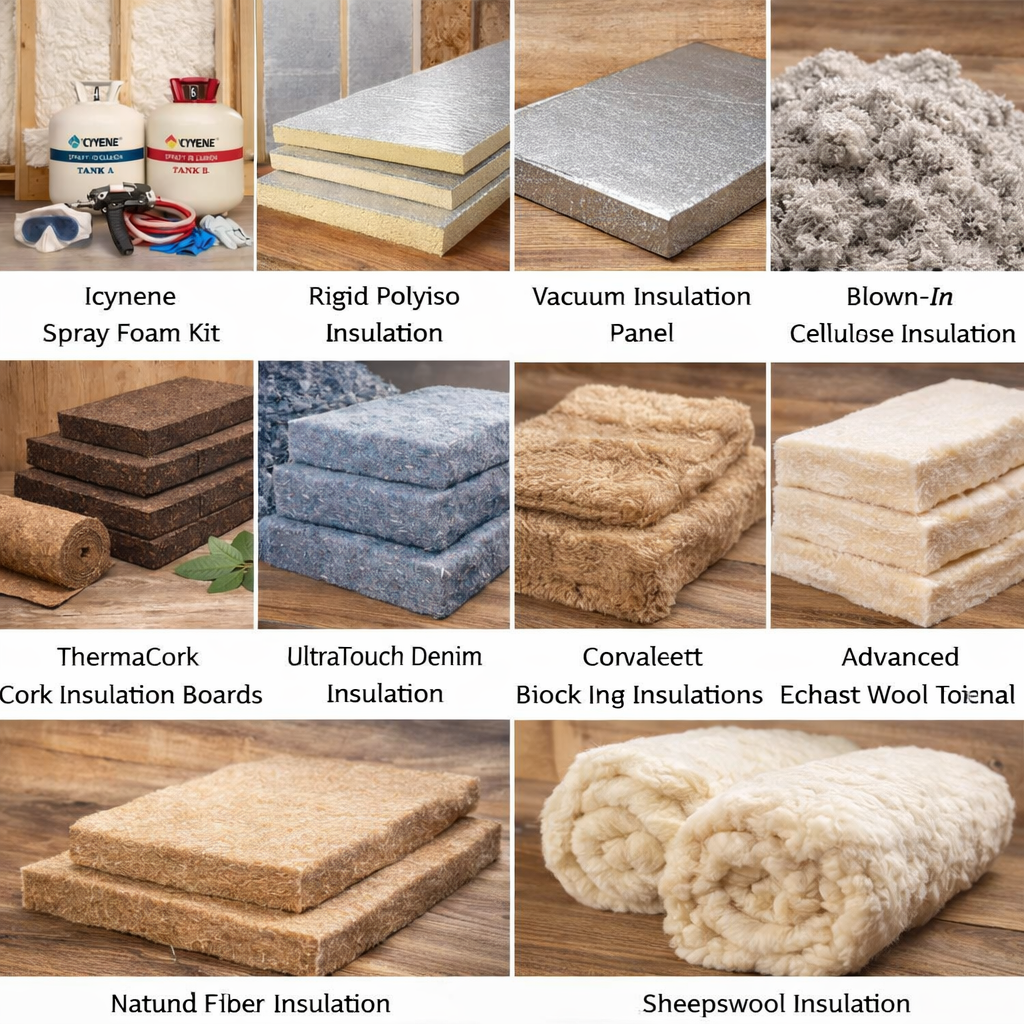
Overview: Enhanced insulation in sustainable buildings means using advanced or eco-friendly materials and techniques to create a superior thermal barrier, drastically reducing heat transfer, which lowers energy needed for heating/cooling, cuts utility costs, minimizes carbon footprints, and boosts occupant comfort and health. This involves upgrading from basic insulation to high-performance options like spray foam, rigid boards, cellulose, or natural fibers, focusing on airtightness and minimizing thermal bridging for maximum efficiency.
Key Aspects of Enhanced Insulation:
Superior Thermal Performance: Materials with high R-values (resistance to heat flow) like spray foam or aerogels provide better heat retention/rejection with less material.
Airtightness & Air Sealing: Preventing drafts through meticulous sealing around windows, doors, and ductwork is crucial, often achieved with spray foam.
Sustainable Materials: Using recycled (denim, plastic) or renewable (wool, cork, hemp) materials reduces environmental impact.
Continuous Insulation: Applying insulation to the exterior (ETICS) or using rigid boards minimizes thermal bridging (heat loss through structural elements).
Advanced Technologies: Nanomaterials, Vacuum Insulation Panels, and Phase Change Materials offer cutting-edge performance.
Benefits in Sustainable Buildings:
Lower Energy Consumption: Significantly reduces reliance on HVAC systems, cutting electricity use.
Reduced Emissions: Less energy demand means fewer greenhouse gas emissions.
Improved Comfort: Stable indoor temperatures, fewer drafts, and better noise reduction.
Healthier Indoor Air: Prevents moisture buildup, reducing mold risk.
Cost Savings: Lower utility bills over the building’s lifespan.
In essence, enhanced insulation turns the building envelope into a highly efficient thermal barrier, making it a foundational element of sustainable design.