
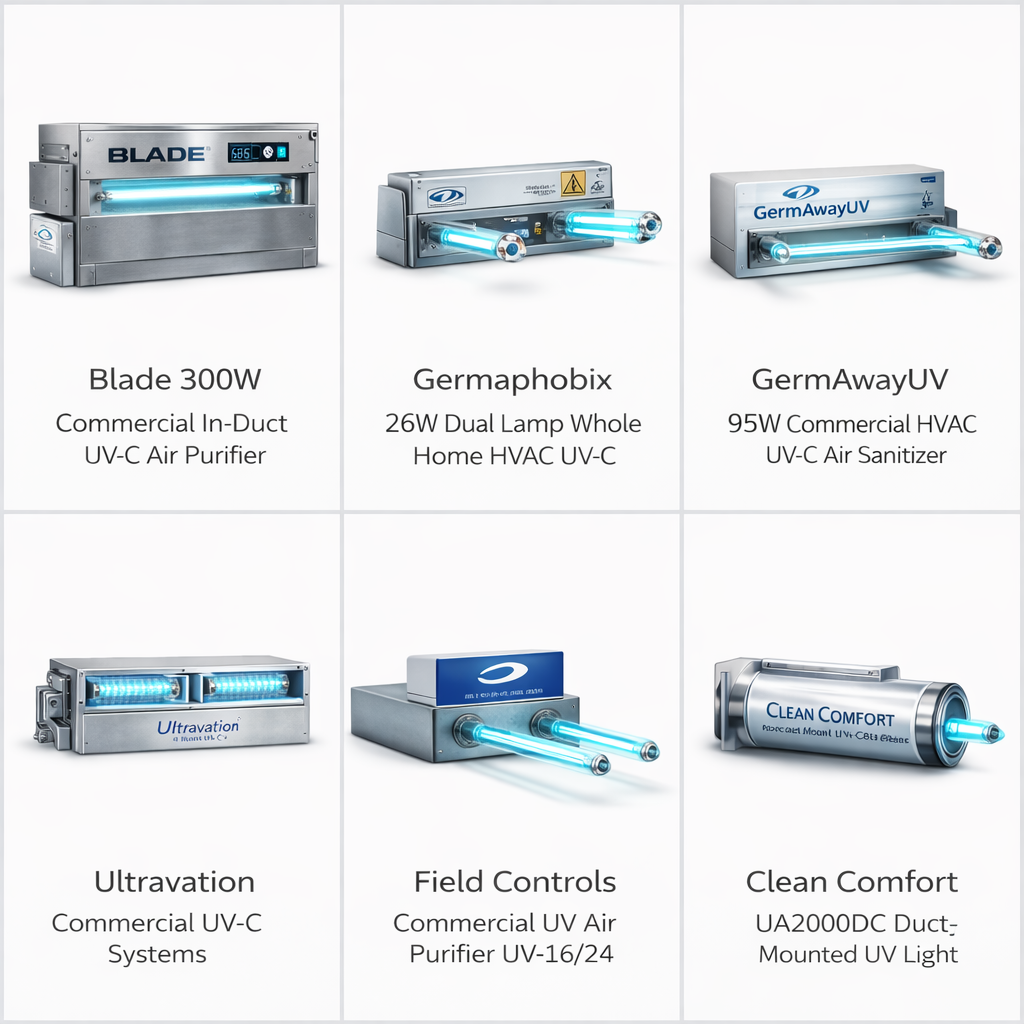
- Overview: UV-C air purification in smart, sustainable buildings involves the integration of ultraviolet-C (UV-C) light technology into advanced HVAC and air filtration systems to inactivate airborne pathogens and improve indoor environmental quality in an energy-efficient and chemical-free manner.
- Mechanism and Integration:
- Germicidal Action: UV-C light, typically at a wavelength of around 254 nanometers, damages the DNA and RNA of microorganisms such as viruses, bacteria, and mold spores, rendering them unable to reproduce and effectively neutralizing them.
- Integration within HVAC: In smart buildings, UV-C lamps are strategically placed within the HVAC system’s ductwork or air handling units (AHUs), often near the evaporator coils and drain pans. This targeted placement:
- Prevents Biofilm Growth: Inhibits the growth of mold and bacteria on moist surfaces within the system, which can otherwise reduce system efficiency, restrict airflow, and produce odors.
- Disinfects Airstreams: Sanitizes the air as it circulates through the building, reducing the spread of airborne diseases throughout the facility.
- Combination with Filtration: UV-C technology works best in a layered approach alongside advanced physical filtration systems (like MERV 13 or HEPA filters), where filters capture non-living particles (dust, pollen), and UV-C inactivates living biological contaminants.
- Smart and Automated Controls: These systems are integrated with building automation systems (BAS) or smart controls that use real-time air quality data from IoT sensors to dynamically adjust operations, ensuring optimal performance and energy efficiency.
- Role in Sustainable Buildings:
- Energy Efficiency: By preventing microbial buildup on coils, UV-C ensures the HVAC system runs more efficiently, requiring less energy to heat or cool the air, which directly contributes to lower energy consumption and operational costs.
- Chemical-Free: The process is non-toxic and environmentally friendly, eliminating the need for harsh chemical disinfectants and avoiding the production of harmful byproducts or ozone (when designed correctly, such as with UV-C LEDs), aligning with green building practices and material choices.
- Health and Well-being: Improved indoor air quality (IAQ) leads to a healthier environment for occupants, reducing allergens, odors, and the transmission of illnesses, which can decrease sick days and improve productivity.
- Material Compatibility: Advanced construction materials in sustainable buildings are increasingly designed with UV-C compatibility in mind, ensuring the lights do not prematurely degrade components like certain plastics or wiring insulation when installed properly. UV-C LEDs offer durability and a smaller footprint, allowing for flexible integration into modern, space-optimized building designs.
In essence, UV-C air purification is a key technological component in the evolution of sustainable architecture, providing a safe, efficient, and intelligent solution for maintaining superior indoor air quality.