
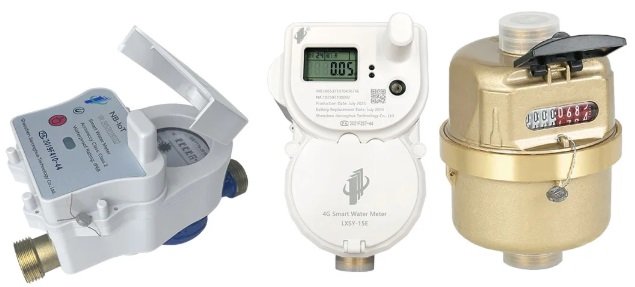
OverView: Water management sensors in smart buildings are IoT-enabled devices—including flow meters, pressure transducers, and acoustic sensors—that monitor water consumption, quality, and pressure in real-time. They identify leaks, analyze usage patterns, and automate shut-offs, reducing waste, costs, and damage in residential or commercial settings.
Key aspects and types of water management sensors include:
- Leak Detection Sensors: Installed near appliances, toilets, pipes, and HVAC systems to immediately detect moisture or unusual flow, preventing water damage.
- Smart Flow Meters & Sub-meters: Monitor real-time water consumption down to specific fixtures, tracking usage trends to identify areas for conservation.
- Pressure & Quality Sensors: Monitor water pressure to prevent pipe bursts and check quality parameters like turbidity and temperature.
- Smart Taps/Shower Sensors: Utilize presence detection to optimize water usage, shutting off when no one is present.
- Data Integration: Sensors connect via networks like LoRaWAN to cloud platforms for analysis and automated control, such as closing valves, ensuring efficient resource management.
These sensors facilitate “smart water management” by providing actionable data, supporting digital twins for, say, predictive maintenance, and reducing water wastage in buildings.