
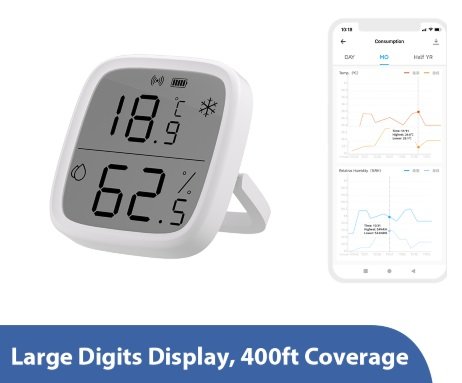
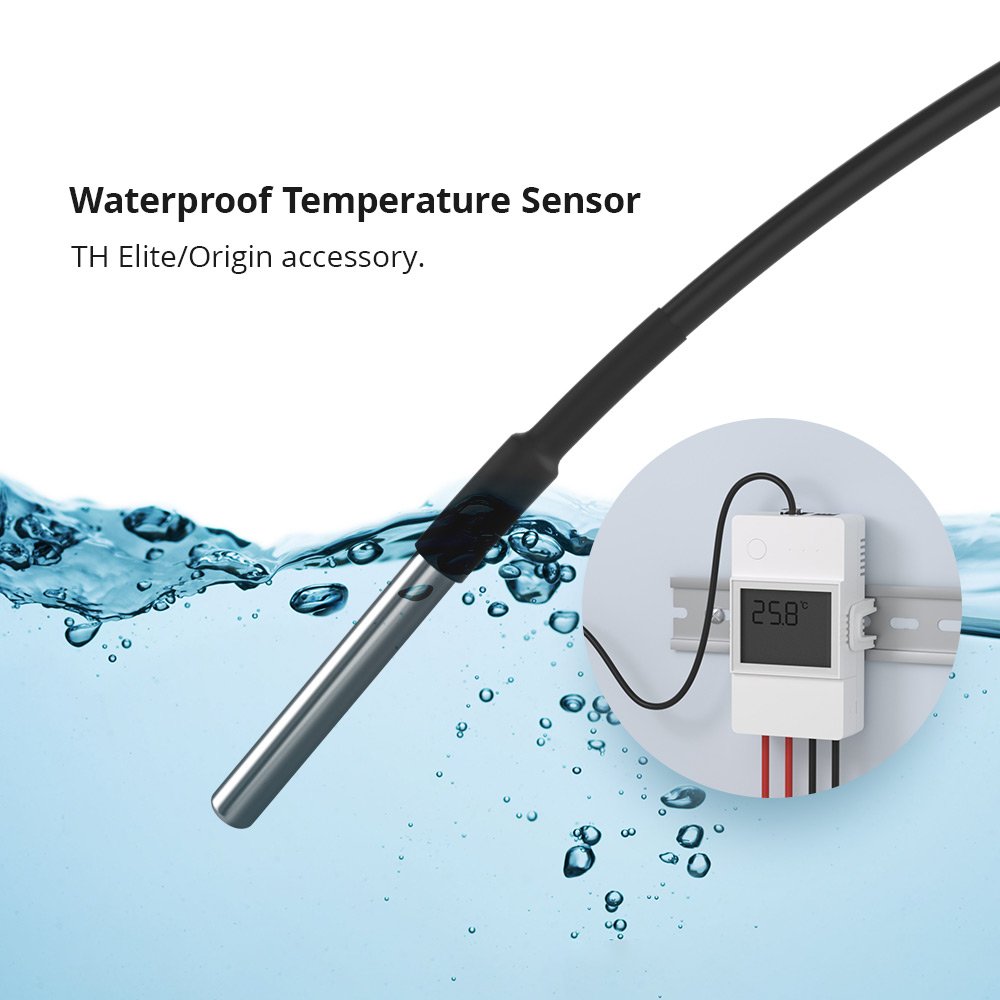
OverView: Temperature and humidity sensors in smart buildings are IoT-enabled,, digital devices that continuously monitor, measure, and report real-time environmental data (air temperature and moisture levels) to Building Management Systems (BMS). They optimize indoor climate, enhance occupant comfort, prevent mold, and improve energy efficiency by automating HVAC systems based on actual, rather than assumed, conditions.
Key Aspects of Smart Building Sensors
- Functionality: They detect moisture (hygrometer) and thermal levels, converting them into digital, actionable data for automated climate control.
- IoT & Automation: Modern sensors often use IoT technology for remote, real-time monitoring and, as discussed by Forest Rock and azollasoftware.com, integration with HVAC systems to adjust temperature or ventilation instantly when conditions change.
- Applications: They are critical for managing large office spaces, protecting sensitive equipment in data centers, preserving artifacts in museums, and ensuring regulatory compliance in warehouses.
- Benefits:
- Energy Efficiency: By operating HVAC only when needed, they drastically reduce energy consumption and operational costs.
- Occupant Health: They prevent excessive moisture that causes mold, ensuring better indoor air quality.
- Equipment Protection: In, for example, data centers, they prevent humidity levels that could damage electronics, notes Milesight.
- Technology: Often, as noted by Winsen Sensors, these, as described by Winsen Sensors, are compact modules utilizing technologies like NTC (Negative Temperature Coefficient) and polymer resistance for high sensitivity and quick response.
These sensors, such as those discussed by Minew and Property Enviro Tech, are foundational for creating energy-efficient, sustainable, and comfortable indoor environments.