
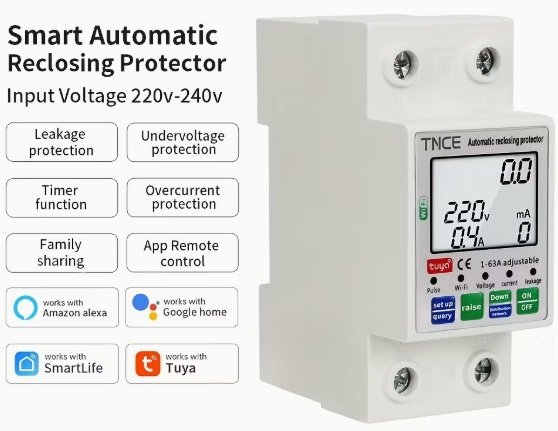
OVERVIEW: A smart energy meter in smart buildings is an advanced, digital, IoT-enabled device that measures, records, and analyzes electricity (and sometimes water/gas) consumption in real-time or at short intervals. Unlike traditional meters, they offer bidirectional communication, sending usage data directly to utility providers and building management systems.
Key features and benefits of smart energy meters in smart buildings include:
- Real-time Monitoring & Data Analytics: They provide detailed, immediate insights into energy usage patterns, allowing for better identification of consumption inefficiencies.
- Bidirectional Communication: They communicate with the smart grid, allowing for remote reading, control, and management without requiring on-site technicians.
- Sub-metering Capabilities: In smart buildings, smart sub-meters are installed to monitor energy consumption at specific levels (e.g., lighting, HVAC, specific appliances), enabling targeted energy-saving measures.
- Improved Efficiency and Sustainability: They help in reducing energy consumption, costs, and carbon emissions by facilitating Demand Side Management (DSM).
- Automated Data Transfer: They eliminate manual meter readings by automatically sending data via radio waves or power line communication.
These meters are essential components of smart energy management systems (EMS), enhancing the overall reliability and efficiency of energy consumption in modern buildings.