
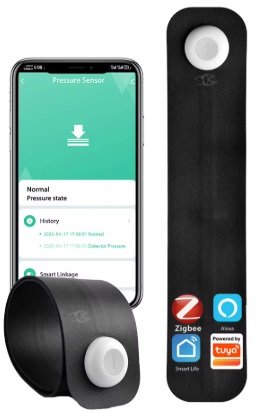
Overview: Pressure sensors in smart buildings are IoT-enabled devices that measure force, air, or fluid pressure to optimize HVAC performance, monitor air filters, detect occupancy, and enhance security. They convert physical pressure changes into electrical signals, allowing building management systems to automate environmental controls, save energy, and improve safety.
Key Applications of Pressure Sensors in Smart Buildings
- HVAC System Efficiency: They monitor air filter conditions, measure duct pressure, and regulate airflow, ensuring optimal climate control and reducing fan energy usage.
- Occupancy Detection: Used under mattresses or on floors, these sensors detect presence to trigger automation, such as adjusting lighting or HVAC settings based on real-time usage.
- Safety and Maintenance: They detect hazardous gas levels, monitor water pipe pressure to prevent leaks, and act as sensors for broken glass or unauthorized door entry.
- Differential Pressure Monitoring: These sensors measure the difference between two points (e.g., across a filter), identifying when filters are dirty and require maintenance.
Types and Benefits
Benefits: They contribute to reduced maintenance costs, increased sustainability, enhanced tenant comfort, and real-time, automated decision-making for building operations.
Types: Common types include gauge, absolute, and differential pressure sensors, which can be part of wired or wireless IoT networks.