
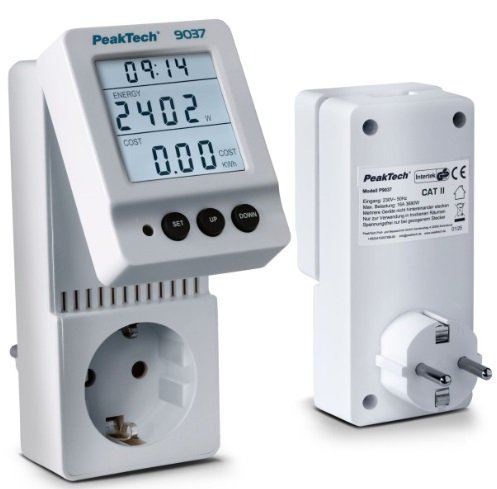
OverView : Power & Voltage Meters in smart sensors and IoT (Internet of Things) for smart buildings are advanced, connected devices that measure, record, and analyze electrical consumption (voltage, current, power factor, energy, and harmonics) in real-time or near real-time. Unlike traditional meters requiring manual reading, these IoT-enabled devices transmit data wirelessly to building management systems (BMS) or energy management platforms, enabling data-driven decisions for energy efficiency, cost reduction, and enhanced building safety.
Key Components and Functionality
- Real-Time Data Collection: Continuously measures voltage, current (Amperes), and power (kW/kWh), providing granular data (e.g., in 15-minute intervals).
- IoT Connectivity: Uses wireless protocols (Zigbee, Wi-Fi, Cellular like NB-IoT/LTE-M) to send data to the cloud or local systems, allowing for remote monitoring.
- Two-Way Communication: Enables utilities to send, and buildings to receive, information (such as pricing signals or remote disconnection/reconnection commands).
- Sub-metering: Enables tracking energy usage for specific, high-consumption zones or equipment (HVAC, lighting, elevators) within a building rather than just the main supply point.
Role in Smart Buildings
- Improved Energy Management & Efficiency: By identifying energy-hogging equipment and inefficient patterns, these meters help optimize energy usage and can reduce long-term energy costs by up to 30%.
- Enhanced Operational Safety: Continuous monitoring detects anomalies like voltage fluctuations, sags, swells, and line overloads, alerting staff to potential fire hazards or equipment damage.
- Predictive Maintenance: Data analytics can predict equipment failures, allowing for repairs before breakdowns occur.
- Integration with Smart Grids: These meters facilitate the integration of renewable energy sources (like solar panels), monitoring bidirectional flows—tracking energy consumed from the grid and excess energy produced.
Applications in Smart Buildings
- Commercial Building Management: Monitoring HVAC systems, lighting, and machinery to optimize operating costs.
- Tenant Billing: Providing accurate, transparent, and automated billing for multi-tenant buildings based on actual consumption.
- Electric Vehicle (EV) Charging: Tracking energy consumption per charging session at parking facilities.
Benefits
- Cost Savings: Eliminates estimated billing errors and enables demand-response participation (reducing consumption during high-price, peak hours).
- Sustainability: Reduces carbon footprints by reducing energy waste and improving energy efficiency.
- Automation: Allows for automatic adjustments in lighting and HVAC systems based on real-time data, enhancing comfort while saving energy.