
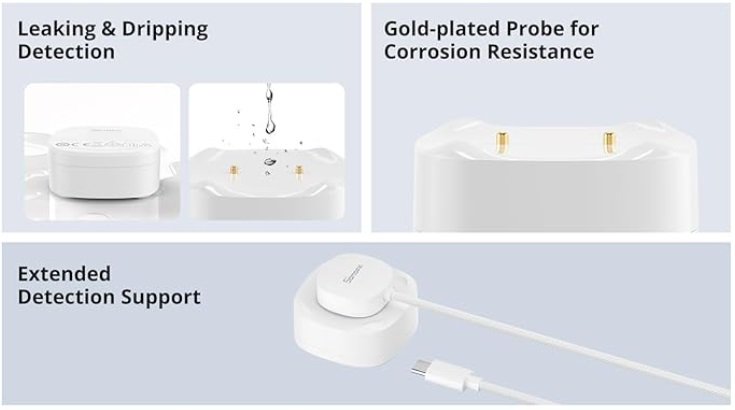
OverView: Leak detection sensors in smart buildings are IoT-enabled devices that detect, monitor, and alert users to water or fluid leaks in real-time to prevent structural damage, mold, and costly repairs. Using technologies like moisture probes, flow monitoring, and acoustic sensors, they connect via Wi-Fi/LoRaWAN to send alerts to mobile apps or automated shut-off valves, improving facility management and water conservation.
Key Aspects of IoT Leak Detection Sensors
- Types of Sensors: Common types include spot detectors (placed under sinks/appliances), cable sensors (wrapped around pipes), and flow meters that measure water usage patterns to identify anomalies.
- Real-time Alerts & Connectivity: These sensors transmit data immediately to a central monitoring system or user mobile device via Wi-Fi, Bluetooth Low Energy (LE), or MQTT upon detecting moisture, allowing for instant, remote action.
- Automated Shut-off: Advanced smart systems can automatically trigger a shut-off valve to stop the water supply, preventing further damage when a leak is detected.
- AI and Analytics: Artificial Intelligence (AI) is increasingly used to analyze flow data and distinguish between normal usage and abnormal leaks, reducing false alarms.
- Applications: They are critical for monitoring high-risk areas like HVAC systems, plumbing, water heaters, and server room cooling units.
- Power Efficiency: Sensors often feature low-power consumption with battery backups or energy harvesting (solar) to ensure continuous operation.
These systems help reduce insurance claims, minimize downtime in commercial buildings, and enhance sustainability by preventing water waste.