
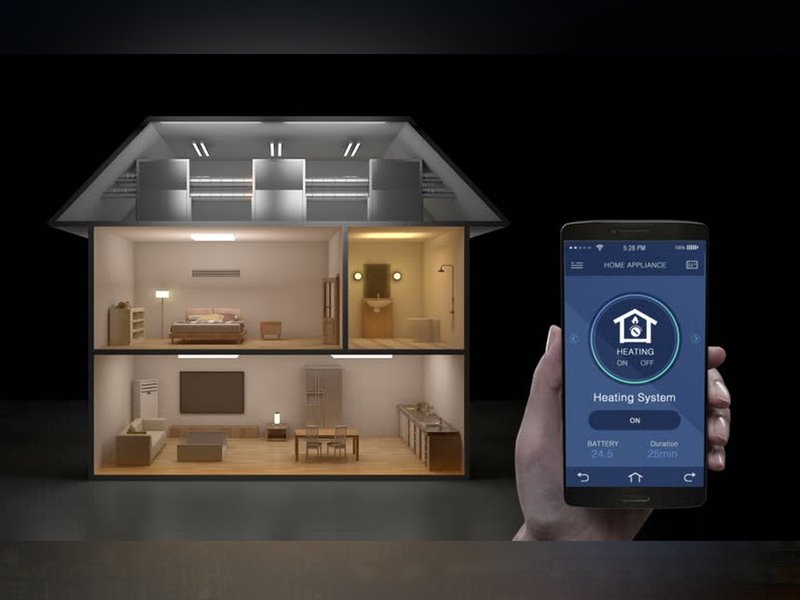

Overview :
Sensor-based lighting in smart buildings uses motion, occupancy, or light sensors to automatically adjust illumination, turning lights on when needed and off when spaces are empty, significantly boosting energy efficiency, safety, and comfort by providing light only where and when it’s required, reducing energy costs and carbon footprints. These intelligent systems integrate with broader building automation, offering features like daylight harvesting and remote control for optimized lighting environments, notes PacLights and OCTIOT.
How it works
- Sensors Detect: Various sensors (PIR, ultrasonic, microwave) detect presence, movement, or changes in natural light levels.
- Control Unit Responds: A control unit receives sensor data and signals the light fixture.
- Automatic Adjustment: Lights turn on/off or dim based on occupancy or ambient light, ensuring efficiency.
Key benefits
- Energy Savings: Eliminates wasted energy from lights left on in empty rooms, cutting costs and CO2 emissions.
- Enhanced Safety & Security: Illuminates pathways and entry points when people approach, deterring intruders.
- Improved Comfort: Delivers consistent, optimal lighting by adjusting to natural light (daylight harvesting).
- Extended Fixture Life: Reduced operational hours can extend the lifespan of lighting infrastructure.
Types of sensors
- Occupancy/Motion Sensors: Detect movement (PIR, microwave) for areas like hallways, restrooms, and offices.
- Daylight Sensors (Photodiodes): Measure ambient light, dimming artificial lights when sufficient natural light is available.
Smart integration
- Wireless Networks: Sensors communicate wirelessly (e.g., via ZigBee) with controllers and gateways.
- AI & Machine Learning: Advanced systems use AI to predict occupancy and fine-tune lighting for better efficiency and comfort.
- BIM & IoT Integration: Combines sensor data with Building Information Modeling (BIM) for comprehensive, data-driven management.