
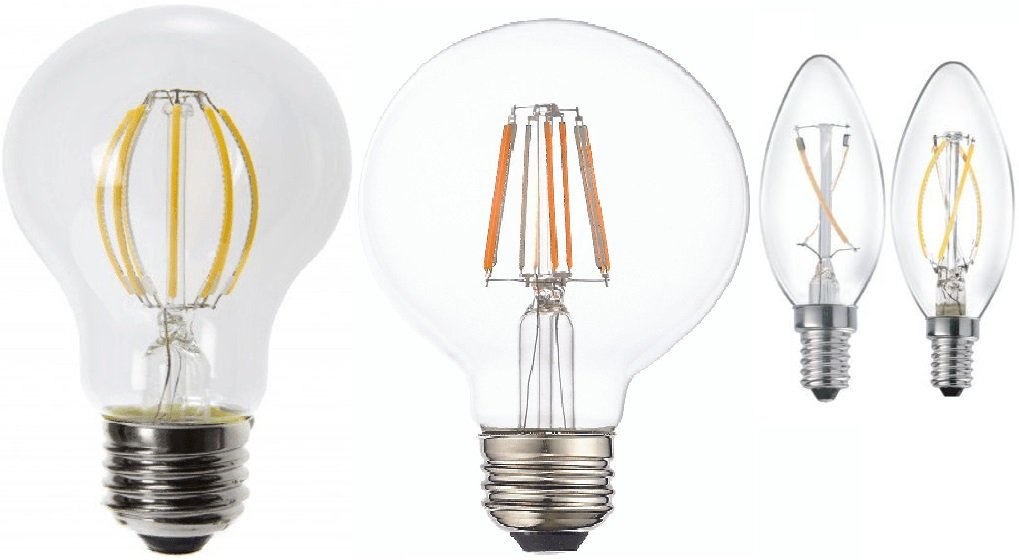
Overview: Graphene is a 2D material consisting of a single layer of carbon atoms in a hexagonal lattice, known for being incredibly strong, lightweight, and possessing extreme electrical and thermal conductivity. In smart buildings, particularly within smart lighting and energy-efficient systems, graphene is used to improve the performance of LED lighting, create flexible/transparent lighting, and manage thermal regulation, contributing to reduced energy consumption and improved sustainability.
Key Roles of Graphene in Smart Lighting and Buildings:
- Enhanced LED Performance: Graphene is incorporated into LED lighting to improve thermal management, allowing lights to run cooler, last longer, and consume less energy.
- Thermal-Regulating Coatings/Paint: Graphene-infused paint can act as a thermal regulator on walls and roofs, reflecting heat in the summer and retaining it in winter, which can significantly reduce HVAC costs.
- Smart Windows/Glazing: Graphene coatings on windows allow for dynamic control of light transmission and heat flow, reducing the need for air conditioning.
- Flexible/Transparent Lighting & Displays: Due to its flexibility and high transparency (up to 97.7%), graphene can be used in flexible screens and “glowing wallpaper” that provides adjustable, energy-efficient illumination.
- Smart Sensors for Infrastructure: Graphene-based sensors can be integrated into walls and floors to monitor structural health, temperature, and humidity in real-time, providing data for intelligent automation.
- Energy Generation: Graphene enables the creation of transparent solar cells that can turn surfaces like windows or roofs into electricity-generating panels.
Benefits in Smart Buildings:
Increased Durability: Enhanced resistance to corrosion, fire, and wear, leading to lower maintenance costs.
Energy Efficiency: Reduced heating, cooling, and electricity consumption.
Sustainability: Lower carbon footprint through the use of “green concrete” and durable, long-lasting materials.