
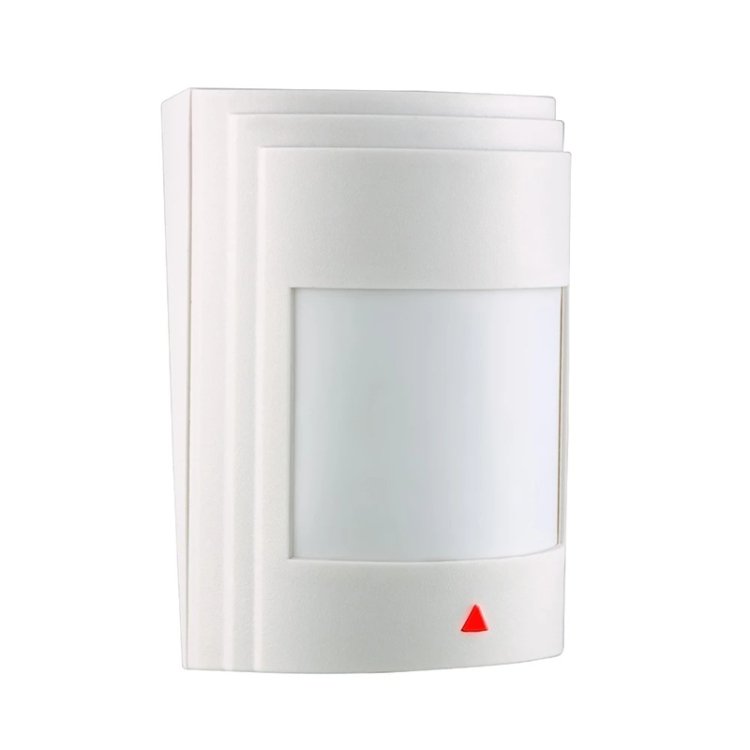
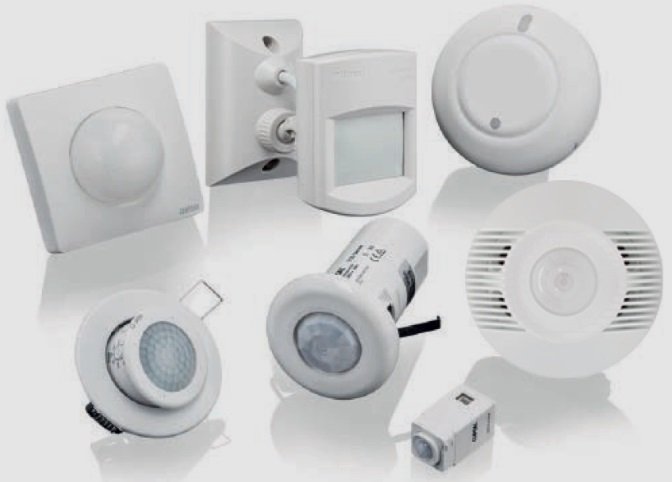
Overview : Passive Infrared (PIR) sensors in smart buildings are low-power, cost-effective IoT devices that detect human occupancy and movement by measuring changes in infrared radiation (heat) emitted by bodies. Used widely for automated lighting, HVAC control, and security, they identify when a person enters a space, allowing for energy optimization and improved safety without requiring direct physical contact.
Key Features and Functions in Smart Buildings
- Occupancy Detection: PIR sensors are primary tools for detecting presence, triggering actions like turning on lights or adjusting ventilation when someone enters a room.
- Energy Efficiency: By detecting vacancy, they automatically switch off HVAC systems and lighting, significantly reducing energy consumption.
- Smart Lighting & Security: They act as motion detectors for security alarms and enhance safety by lighting up walkways, hallways, and stairwells only when needed.
- Workspace Management: Placed under desks or in meeting rooms, PIR sensors track space utilization to identify underutilized areas, aiding in office space planning.
- Non-Intrusive & Passive: They do not emit energy (unlike active sensors) but rather measure the heat energy emitted by people or objects within their field of view.
Benefits of PIR Sensors in IoT Ecosystems
- Low Cost & Easy Installation: They are inexpensive, making them ideal for deployment across large-scale commercial, industrial, or residential projects.
- Wireless Connectivity: Many modern PIR sensors are battery-operated and feature wireless connectivity, simplifying, or eliminating the need for wiring in, installation.
- Anonymized Data: They detect motion without capturing identifiable video, which helps in maintaining privacy while still collecting valuable occupancy data.
While effective for motion and presence detection, PIR sensors generally do not track specific, long-term stationary individuals or provide precise count data, relying instead on detecting, and responding to, movement within their, and, and, and, and, and, line-of-sight, field-of-view.