
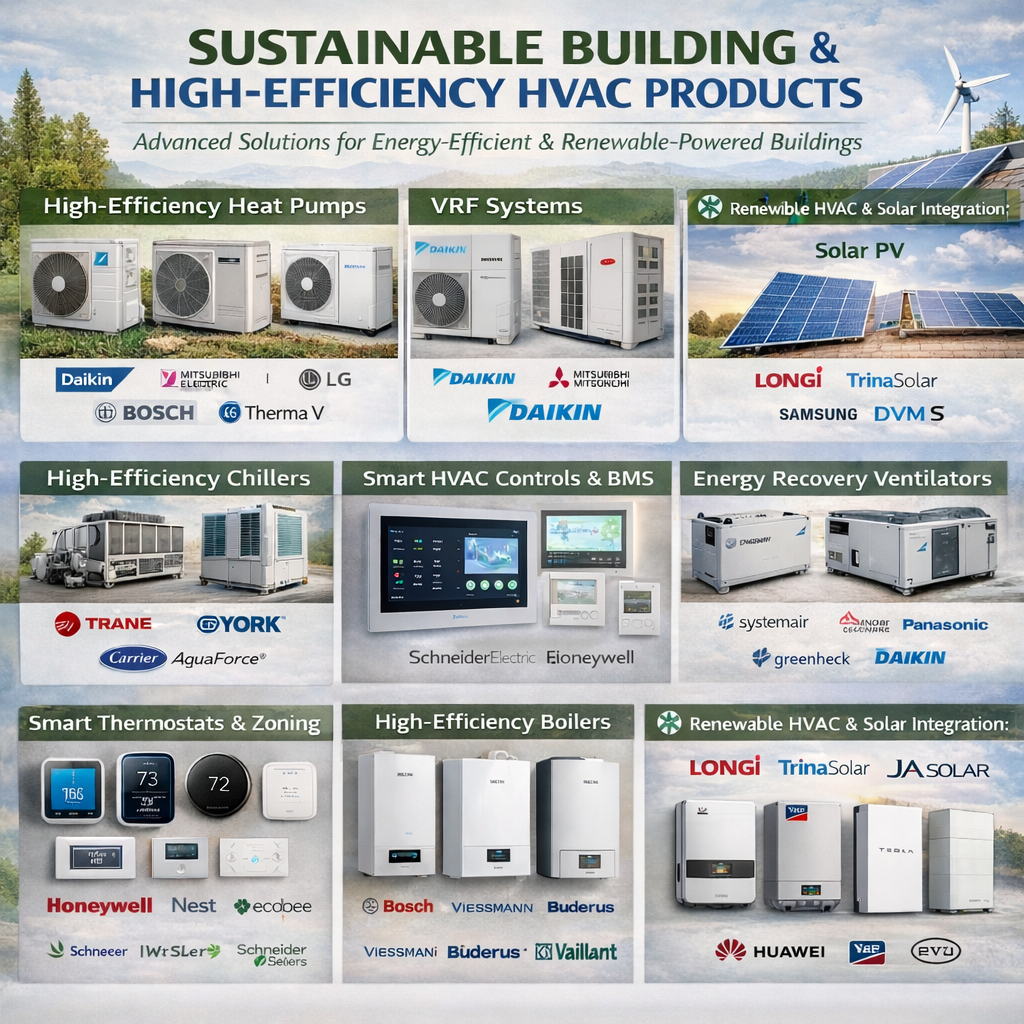
Overview: Implementing renewable energy in sustainable buildings means integrating clean power sources (solar, wind, geothermal) with efficiency measures (better insulation, passive design) to drastically cut fossil fuel use, lower emissions, and create self-sufficient structures that generate their own power, reducing operating costs and environmental impact throughout their lifecycle. It’s a holistic approach where reducing demand (efficiency) makes it easier and cheaper to meet the remaining need with renewables, achieving true energy independence and sustainability.
Key Components & Strategies:
- Energy Efficiency First: Before adding renewables, reduce overall energy consumption through:
- High-Performance Building Envelope: Superior insulation, energy-efficient windows, and airtight construction.Passive Design: Using natural light, ventilation, and solar orientation to heat and cool the building.
- Efficient Systems: Smart thermostats, LED lighting, and heat pumps.
- Renewable Energy Integration: Adding on-site generation:
- Solar (PV & Thermal): Photovoltaic (PV) panels for electricity and solar thermal systems for hot water.Wind: Small-scale wind turbines for suitable locations.Geothermal: Using the earth’s stable temperature for highly efficient heating and cooling.
- Biomass/Hydro: Other localized options depending on resources.
- Synergistic Approach: Combining both strategies: A smaller, less expensive renewable system can cover a larger percentage of a building’s needs if energy consumption is already minimized by efficiency measures.
- Smart Technologies: Using AI, IoT, and advanced automation for real-time monitoring and adaptive energy management to maximize renewable energy use and efficiency.
Benefits:
- Reduced Carbon Footprint: Significant decrease in greenhouse gas emissions.
- Lower Costs: Long-term savings on energy bills.
- Energy Independence: Less reliance on the grid and fossil fuels.
- Enhanced Value: Higher building performance and appeal.