
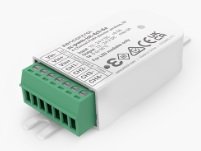
Overview: Wireless lighting control networks in smart buildings integrate sensors, fixtures, and software via radio waves (ZigBee, BLE, Wi-Fi) for automated, energy-efficient lighting, offering flexibility, scalability, and easy retrofitting by eliminating extensive wiring, enabling occupancy sensing, daylight harvesting, and remote management through Building Automation Systems (BAS) for optimized comfort and cost savings.
Key Components & Technologies
- Components: Light fixtures, wireless switches, sensors (occupancy, daylight, CO2), controllers, and gateways.
- Protocols: Common wireless standards include ZigBee, Bluetooth Low Energy (BLE, Bluetooth Mesh), Wi-Fi, and LoRaWAN.
- DALI+: Wireless extensions for the Digital Addressable Lighting Interface (DALI) for standardized control.
How They Work in Smart Buildings
- Automated Control: Lights adjust automatically based on occupancy, natural light (daylight harvesting), and time of day, ensuring lights are only on when and as bright as needed.
- Integration with BAS: Connects with Building Management Systems (BMS) for centralized monitoring, scheduling, and integration with other systems (HVAC, security).
- Energy Efficiency: Reduces energy waste through granular control and real-time data on energy usage.
- Flexibility & Scalability: Easy to install in existing buildings (retrofits) and reconfigure without major rewiring, making them ideal for evolving spaces.
Benefits in Smart Buildings
- Cost Savings: Lower energy consumption and reduced installation costs.
- Enhanced Comfort & Productivity: Personalized lighting and optimal illumination levels.
- Simplified Management: Remote control and monitoring via apps or interfaces.
- Data-Driven Decisions: Performance monitoring and predictive maintenance through diagnostics.
Common Protocols
LoRaWAN: Offers long-range, low-power connectivity, ideal for large properties.
ZigBee/Z-Wave: Low-power mesh networks suitable for many sensors and devices.
BLE: Good for proximity-based applications and low-power sensors.
Wi-Fi: Leverages existing network infrastructure for easy setup.