
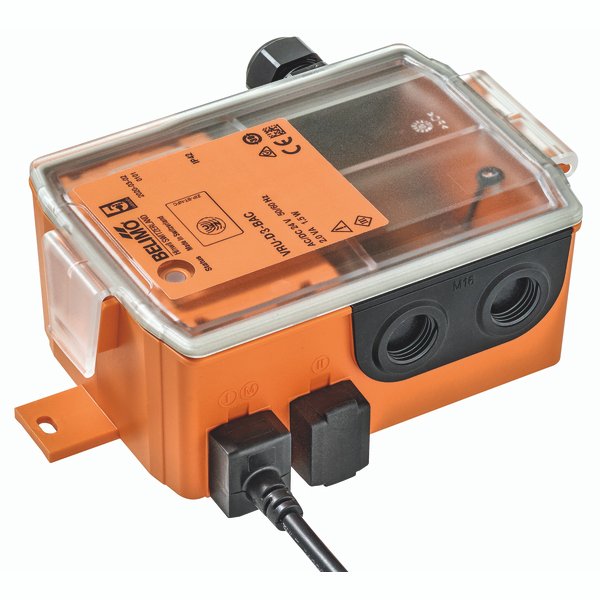
Overview: Variable Air Volume (VAV) systems are essential HVAC components in smart buildings, integrated into Building Automation Systems (BAS) to dynamically adjust airflow for zone-specific heating/cooling, drastically improving energy efficiency and occupant comfort through sensors, controllers, and AI-driven optimization, moving beyond simple constant volume systems to create adaptable, data-driven environments. They work by modulating dampers in VAV boxes based on real-time data (occupancy, temp) and communicate with BAS for system-wide management, reducing operational costs and enhancing sustainability.
How VAV Systems Work in Smart Buildings
- Zone Control: Each VAV box serves a specific zone (room/area) and uses sensors to monitor temperature, humidity, and occupancy.
- Modulation: The VAV controller adjusts the damper’s opening to vary the volume of conditioned air (constant temperature) supplied to meet that zone’s precise needs, rather than a fixed amount.
- Integration with BAS: The BAS collects data from VAV sensors and other building systems (lighting, security) for centralized monitoring, scheduling, and analytics.
- Smart Features: Modern systems use IoT, AI, and machine learning for predictive maintenance, demand-controlled ventilation, and dynamic setpoint adjustments, optimizing performance autonomously.
Benefits in Smart Buildings
- Energy Savings: Significant reductions (20-30%+) in fan energy by reducing static pressure when less air is needed.
- Enhanced Comfort: Maintains consistent and precise conditions in diverse zones (e.g., sunlit vs. interior spaces).
- Improved IAQ: Allows for precise ventilation control, meeting stricter indoor air quality standards.
- Scalability & Centralization: Easily managed across large campuses via cloud-based BAS, supporting sustainability goals.
Key Technologies & Components
BAS/BMS: The overarching software platform for holistic building management.
VAV Boxes: Include dampers, controllers, and sometimes reheat coils (electric/hot water) for perimeter zones.
Sensors: Temperature, humidity, CO2, occupancy sensors feeding data to the BAS.
Controllers: Programmable BACnet or similar controllers (e.g., KMC Conquest) provide edge intelligence.