
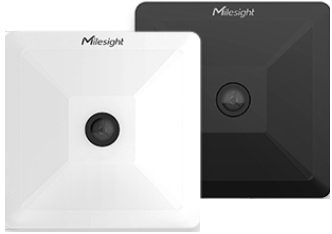
OverView: Occupancy-based lighting in Building Automation Systems (BAS) uses sensors to detect people, automatically turning lights on/off or dimming them to save energy, enhance comfort, and improve efficiency in smart buildings, integrating with HVAC and security for holistic control, moving beyond simple timers to real-time, data-driven adjustments. These systems leverage various sensors (PIR, ultrasonic, cameras) to trigger logic rules within the BAS, reducing costs and providing valuable space utilization data for better facility management.
How it Works in Smart Buildings
- Detection: Sensors (like Passive Infrared – PIR, ultrasonic, or AI cameras) detect motion or presence in a zone (restrooms, offices, hallways).
- Signal to BAS: The sensor sends data to the central Building Automation System or a local controller.
- Automated Response: The BAS executes pre-programmed logic:
- Lights On/Off: Turns lights on when occupied, off after a set delay when vacant.Dimming: Adjusts brightness (daylight harvesting) or dims lights to a minimum level when unoccupied.
- Scene Setting: Activates specific lighting “scenes” for different activities.
- Integration: Links with HVAC, security, and other systems for unified control and data.
Key Technologies & Features
- Occupancy Sensors: PIR, ultrasonic, microwave, AI cameras.
- Connectivity: Often wireless (Bluetooth, Zigbee) for easy retrofitting, integrating with cloud platforms.
- Data Analytics: Sensors gather data on space usage, pathways, and energy consumption, informing facility managers.
- Centralized Control: Allows remote monitoring and adjustments via BAS software.
Benefits for Smart Buildings
- Energy Savings: Reduces energy waste in unoccupied areas.
- Cost Reduction: Lowers operational and maintenance costs.
- Enhanced Comfort & Productivity: Optimizes lighting for occupant well-being.
- Improved Safety: Low-voltage systems reduce electrical risks, notes KRK Technologies.
- Valuable Insights: Occupancy data helps optimize space planning and building performance.
Examples & Applications
Functions: Adjusting light levels, turning off unused lights, data collection for smart management.
Areas: Restrooms, meeting rooms, open offices, corridors.