
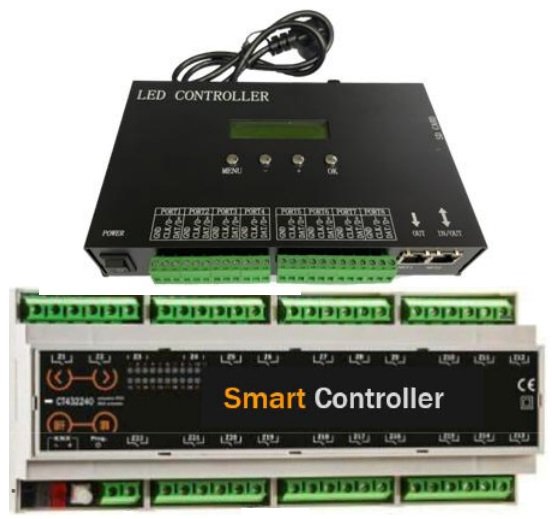
Overview: LED lighting control in smart building automation systems uses sensors, IoT, and software to automate and optimize lighting for energy savings, comfort, and new applications, integrating with HVAC and security via systems like BACnet or KNX for features like daylight harvesting, occupancy sensing, remote control, and data collection on space usage. These networks enable precise control, from individual fixtures to entire zones, creating intelligent, responsive environments that enhance productivity and sustainability.
Key Components & Technologies
- Sensors: Motion, occupancy, light, and temperature sensors provide real-time data.
- IoT & Networking: Low-voltage Power over Ethernet (PoE) creates data networks for sensors and fixtures, often using protocols like BACnet, LonWorks, or KNX for communication.
- Controllers & Software: Centralized or edge computing manages logic, allowing for scheduling, scene setting, and remote adjustments via apps or BMS.
Core Functions & Benefits
- Energy Efficiency:
- Daylight Harvesting: Adjusts artificial light based on natural light levels.Occupancy Sensing: Turns lights off in empty rooms.
- Automated Scheduling: Programs lights to dim or switch off.
- Enhanced Comfort & Productivity:
- Circadian Lighting: Adjusts color temperature and intensity throughout the day.
- Scene Setting: Creates customizable lighting environments for different tasks (e.g., meeting, focus).
- Advanced Building Intelligence:
- Data Analytics: Motion sensors track space usage, traffic flow, and occupancy patterns for better space planning.
- Integration: Links with HVAC and security for holistic building management.
- Non-Lighting Applications: Sensors can function as Bluetooth beacons or for asset tracking.
Control Levels
- Macro Level: Building-wide settings.
- Local Level: Zone or area-specific adjustments.
- Device Level: Individual fixture control.
By integrating these elements, smart LED lighting transforms from mere illumination into a core component of an intelligent building, driving significant operational savings and improving occupant experience.