
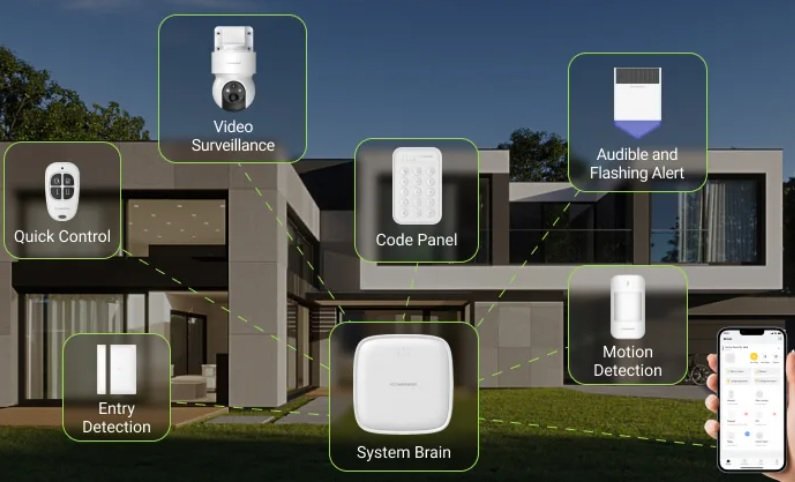
OverView: Intrusion Detection Systems in building automation systems (BAS) in smart buildings
In smart buildings, Intrusion Detection Systems (IDS) within Building Automation Systems (BAS) are crucial for monitoring network traffic and physical access, using AI/ML to detect anomalous behaviors (like unauthorized commands or device connections) beyond just known threats, protecting systems controlling HVAC, lighting, and security from cyberattacks, operational failures, and physical breaches, ensuring building safety, efficiency, and occupant comfort.
How it Works:
- Data Collection: IoT sensors and network devices within the BAS constantly gather data on everything from temperature and occupancy to network communication patterns (e.g., BACnet protocols).
- Baseline Modeling: The IDS builds a profile of “normal” behavior for the building’s systems.
- Anomaly Detection: It then analyzes incoming data for deviations from this baseline, identifying potential cyberattacks (like malware or unauthorized access) or functional issues.
- Context-Awareness: Advanced systems understand the context of building operations (e.g., a command for lights to turn off during occupied hours is anomalous).
- Automated Response: Upon detection, the IDS can trigger alerts, isolate compromised devices, or initiate protective countermeasures, often integrated with physical security systems like access control.
Key Functions:
- Cybersecurity: Protects the BAS network from malware, unauthorized access, and other cyber threats targeting building systems.
- Physical Security: Integrates with sensors, cameras, and access control to detect unauthorized physical entry or activity.
- Operational Integrity: Detects failures or malicious commands affecting HVAC, lighting, and energy management.
- Early Warning: Provides real-time notifications for security breaches or system malfunctions, improving incident response.
Why it’s Important for Smart Buildings:
As buildings become more interconnected (the “Building Internet of Things” or BIoT), their BAS becomes a larger target. An integrated IDS ensures that the benefits of automation (efficiency, comfort) aren’t compromised by security vulnerabilities, creating safer, more resilient, and truly intelligent environments.