
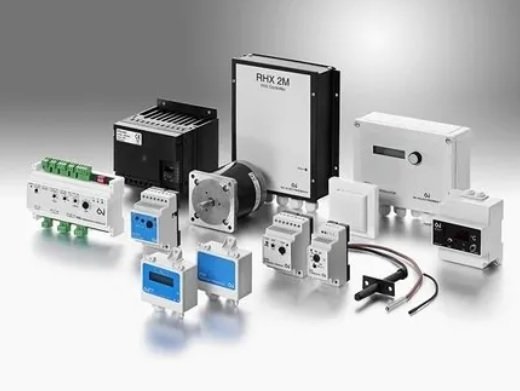
Overview: HVAC control : uses sensors, software, and integrated networks to automatically manage heating, ventilation, and air conditioning for optimal comfort, air quality, and energy efficiency, moving beyond simple scheduling to predictive, data-driven adjustments that reduce costs and enhance occupant experience. It allows centralized, smart management of a building’s climate, often integrating with lighting and security for holistic building performance.
Key Components & Functions:
- Sensors & Data: IoT sensors monitor temperature, humidity, occupancy, and air quality, feeding data to the BAS.
- Centralized Control: A single interface (dashboard/HMI) allows managers to oversee and adjust HVAC operations.
- Automated Adjustments: The system automatically adjusts dampers, thermostats, and equipment based on real-time data.
- Integration: Connects HVAC with other systems (lighting, security) for coordinated responses, like dimming lights and adjusting ventilation in unoccupied zones.
- Smart Features: Includes demand-controlled ventilation (adjusting air based on occupancy) and economizer cycles (using outside air when optimal).
Benefits in Smart Buildings:
- Energy Savings: Reduces energy waste by avoiding over-conditioning and optimizing equipment use.
- Enhanced Comfort: Maintains consistent, ideal indoor conditions for occupants.
- Predictive Maintenance: Identifies potential equipment failures before they happen, reducing downtime.
- Operational Efficiency: Simplifies management and lowers operating costs.
In essence, HVAC control in a BAS transforms reactive climate management into proactive, intelligent operation, making buildings more responsive, comfortable, and sustainable.