
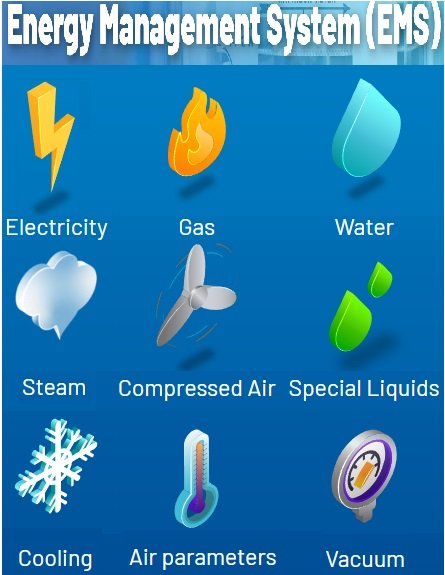
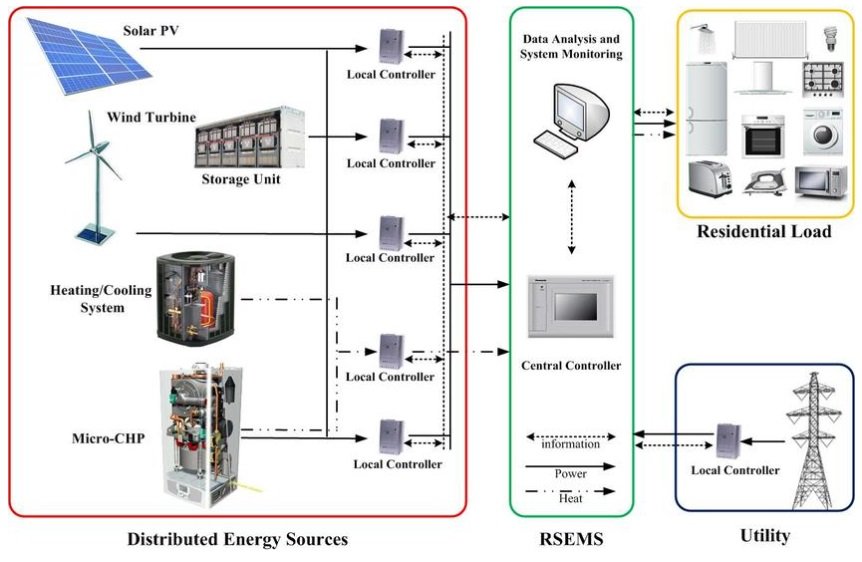
Overview: Energy Management Systems (EMS) in Building Automation Systems (BAS) are the smart brain of a building, using sensors and software to monitor, control, and optimize energy-consuming systems like HVAC and lighting in real-time, automatically adjusting them based on occupancy and needs to cut costs, reduce waste, and meet sustainability goals. They integrate various building functions into a single platform, turning raw energy data into actionable insights for significant efficiency improvements and comfort.
Key Components & Functions:
- Data Collection: IoT sensors, smart meters, and connected devices gather real-time data on temperature, occupancy, lighting levels, and energy use.
- Centralized Control: A software platform (the EMS/BEMS) consolidates this data, acting as the central hub for management.
- HVAC Optimization: Automatically adjusts heating, ventilation, and cooling based on occupancy, weather, and schedules, avoiding energy waste in empty rooms.
- Lighting Control: Dims or turns off lights in unoccupied areas, leveraging daylight harvesting.
- Anomaly Detection: Identifies unusual energy spikes or equipment inefficiencies.
- Predictive Analytics: Forecasts energy demand to optimize usage patterns.
- Integration: Connects with other building systems (security, fire) for holistic management, though BEMS focuses specifically on energy.
How it Works in a Smart Building:
- Sensing: Sensors detect a conference room is full, while nearby offices are empty and lights are on.
- Analyzing: The EMS processes this data, noting the high occupancy in one area and the inactivity in another.
- Acting: The system automatically increases cooling in the conference room and dims or turns off lights in the vacant offices, all without manual intervention.
Benefits:
- Significant Cost Savings: Reduces energy bills by preventing unnecessary consumption.
- Improved Sustainability: Cuts carbon footprint and supports green building certifications (LEED, etc.).
- Enhanced Occupant Comfort: Creates personalized comfort zones by adapting to real-time needs.
- Data-Driven Decisions: Provides valuable insights for facility managers.
In essence, an EMS within a BAS transforms a building from a static structure into an intelligent, self-optimizing energy user.