
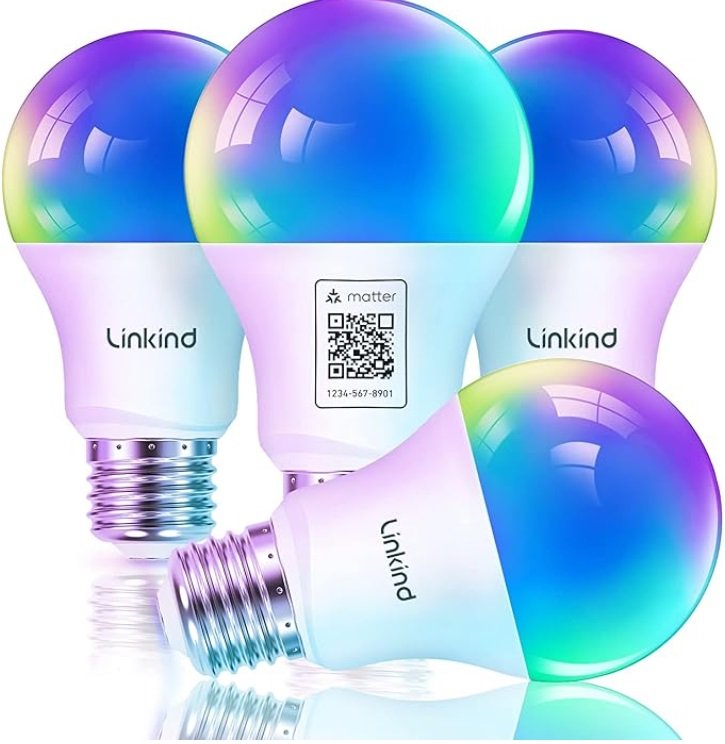
Overview: 11-Color-tunable lighting in smart buildings is an advanced lighting control strategy integrated into a Building Automation System (BAS) that uses LED technology to adjust both the intensity and the Correlated Color Temperature (CCT) of light, mimicking natural daylight to improve occupant well-being and energy efficiency.
Key Features and Concepts
- Tunable White (TW): This is the most common form, allowing the adjustment of white light color temperature, typically ranging from warm white (e.g., 2700K) to cool, bluish-white (e.g., 6500K).
- Full-Color Tuning (RGB/RGBW): These systems use red, green, and blue LEDs, often with added white or amber LEDs, to create a vast spectrum of colors for ambiance, branding, or specific architectural needs.
- Human-Centric Lighting (HCL): A primary application where the lighting system automatically adjusts throughout the day to support occupants’ circadian rhythms (natural sleep/wake cycles). Cooler, brighter light in the daytime boosts alertness and productivity, while warmer, dimmer light in the evening promotes relaxation.
- Integration with BAS: The lighting system is a core component of the broader BAS, integrating with other systems like HVAC and security via open standards and communication protocols (e.g., DALI, KNX, BACnet, Zigbee). This allows for centralized monitoring and holistic building management.
- IoT and Data Generation: Smart lighting systems are often part of the Internet of Things (IoT), utilizing embedded sensors (occupancy, ambient light, temperature) to collect data for real-time optimization, predictive analytics, and space utilization insights.
Benefits in Smart Buildings
- Energy Efficiency: By leveraging controls such as daylight harvesting (adjusting artificial light based on available natural light), occupancy sensing, and granular dimming, these systems can achieve significant energy savings, often exceeding 50%.
- Improved Health and Productivity: Mimicking natural light cycles has been shown to improve mood, enhance productivity, and support faster patient recovery in healthcare settings.
- Flexibility and Customization: Users or facility managers can personalize lighting settings via wall controls or mobile apps to suit specific tasks, moods, or events.
- Future-Proofing: Modern systems are designed to be scalable and adaptable, using wireless technology to simplify installation and accommodate future technological advancements without major rewiring.
Implementation and Control
Control of color-tunable lighting typically involves a combination of hardware and software:
Networking: Systems often form mesh networks using wireless protocols (like Bluetooth mesh or Zigbee) to allow all components to communicate efficiently.
Light Engines: LED fixtures containing arrays of different colored or white LEDs that can be controlled separately.
Drivers and Controllers: Specialized gear that receives commands from the BAS and regulates power to the LEDs to achieve the desired color and intensity.
Control Interfaces: This includes physical wall switches, mobile applications, and centralized building management software.