
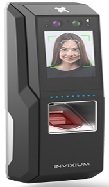
Overview: Biometric access systems in smart buildings use unique traits (fingerprint, face, iris, voice) for secure, touchless entry, integrating with Building Automation Systems (BAS) for personalized comfort (lighting, HVAC) and advanced security by replacing insecure cards/PINs, enabling precise occupant identification, reducing energy waste, and streamlining operations like elevator control, enhancing efficiency and user experience beyond simple motion sensing.
How Biometrics Integrate with BAS
- Occupant Identification: Biometric readers identify individuals, not just cards, allowing the BAS to trigger personalized settings (lighting, temperature, music) as people enter zones.
- Energy Efficiency: Instead of generic schedules, systems adjust HVAC and lighting based on actual occupancy, learning patterns to optimize energy use and reduce waste.
- Unified Platform: Biometric data connects with security, elevators, and HVAC on a single platform, providing cohesive management.
Key Biometric Technologies Used
- Facial Recognition: Fast, accurate, and popular for touchless access.
- Fingerprint/Palm Vein: Highly accurate for identity verification.
- Iris/Retina Scans: Offer very high security.
- Voice Recognition: Uses unique voice patterns for authentication.
Benefits in Smart Buildings
- Enhanced Security: Eliminates key/card sharing and loss, provides detailed audit trails.
- Improved Experience: Touchless entry, personalized environments, seamless visitor management.
- Operational Efficiency: Integrates access with elevators, time attendance, and energy management.
- Multi-Factor Authentication (MFA): Can be combined with PINs or mobile credentials for ultimate security.
Example Integrations
- Lighting: Lights turn on/off, adjust brightness/color based on the recognized user.
- HVAC: Ventilation rates adjust to the precise number of people in a room.
- Elevator Control: Automatically directs users to their designated floor.