
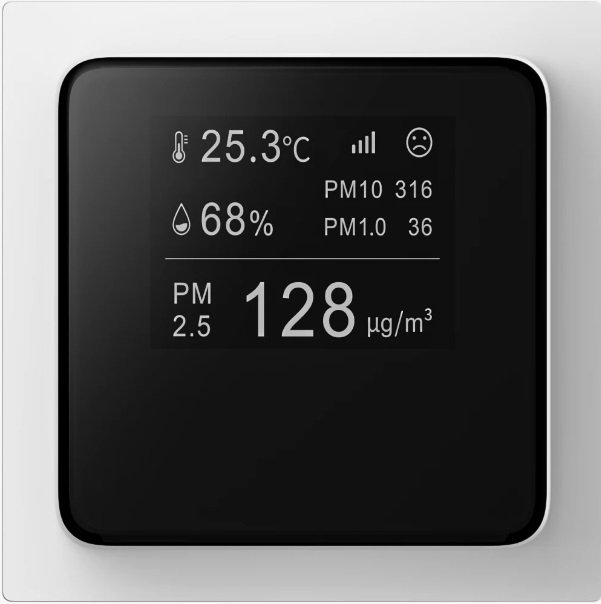
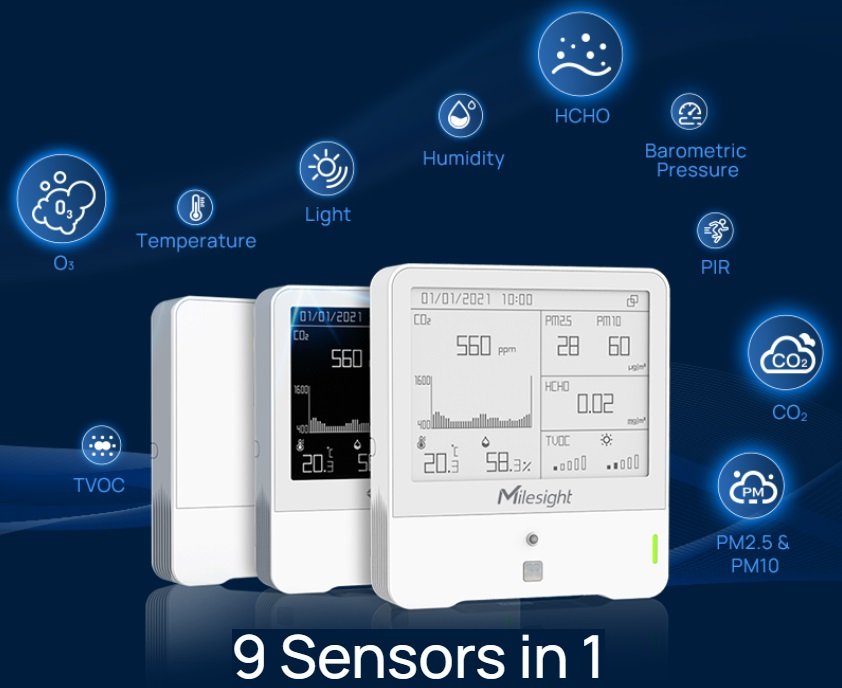
OverView: An air quality sensor in smart buildings is an IoT-enabled device that continuously monitors and measures indoor environmental parameters—such as CO2, VOCs, particulate matter (PM2.5/PM10), temperature, and humidity. These sensors provide real-time data to building management systems to automate HVAC adjustments, enhancing occupant health, comfort, and energy efficiency.
Key Aspects of Air Quality Sensors in Smart Buildings:
Applications: Commonly used in smart offices, schools, and commercial spaces to improve productivity and well-being.
Monitored Pollutants & Parameters: These sensors detect dangerous or uncomfortable levels of Carbon Dioxide (CO2), Volatile Organic Compounds (VOCs), particulate matter (dust, smoke), Carbon Monoxide (CO), humidity, and temperature.
Smart Building Integration: Data is transmitted wirelessly (e.g., via Wi-Fi, LoRaWAN) to central systems, enabling Demand-Controlled Ventilation (DCV) which adjusts air circulation based on actual occupancy rather than fixed schedules.
Benefits:
Health & Safety: Prevents Sick Building Syndrome, reduces mold growth, and ensures air safety.
Energy Efficiency: Optimizes HVAC performance, reducing energy waste and lowering costs.
Real-time Monitoring: Offers continuous tracking for immediate detection of, and response to, poor air quality.