
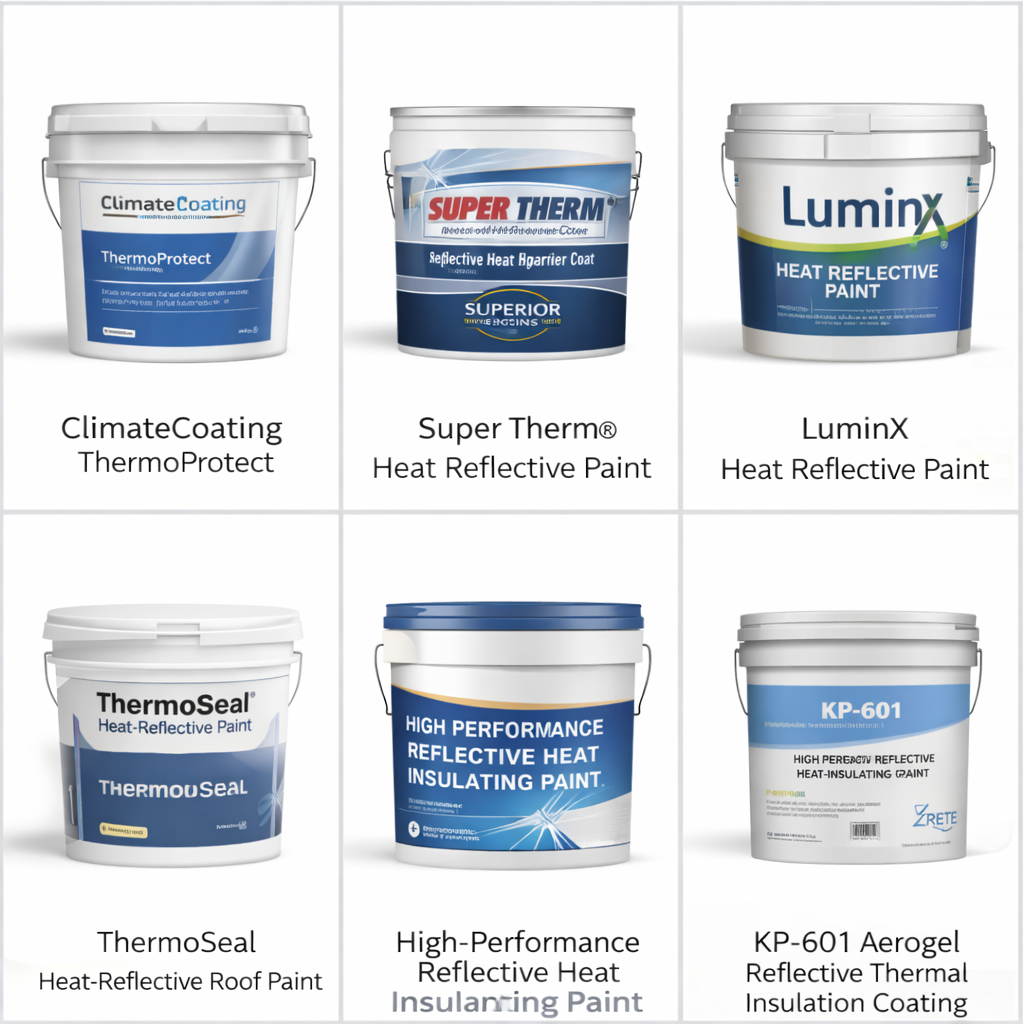
- Overview Thermal regulation coatings: are advanced materials engineered to autonomously adapt their thermal properties in response to ambient temperature changes. This ability to self-regulate heat transfer helps maintain a comfortable indoor temperature, significantly reducing the energy consumption required for heating and cooling, and thus contributing to a building’s overall energy efficiency and sustainability goals.
- Key Concepts and Mechanisms:
These coatings are a type of “smart material” because they can sense and respond to external stimuli without the need for active control systems. The primary mechanisms through which they achieve thermal regulation in buildings include:
- Modulating Solar Radiation: The coatings can change their optical properties (color, transparency, reflectivity) based on temperature. For example, they may switch from a clear state to a tinted or opaque state when temperatures rise, blocking excess sunlight and heat (infrared radiation) from entering the building.
- Thermal Emittance Control: They can alter their emissivity, which is the ability to release absorbed heat. In hot conditions, they exhibit high emissivity to radiate heat away from the building, while in cold conditions, they might have lower emissivity to help retain heat indoors.
- Insulation and Reflectivity: Some coatings incorporate materials like microscopic ceramic particles which create a barrier that reflects radiant heat and traps air, thereby reducing heat conduction through walls or windows.
- Types of Thermal Regulation Coatings
The main types of smart coatings used for thermal regulation in sustainable buildings include:
- Thermochromic Coatings: These materials change color or transparency in response to temperature fluctuations. Vanadium dioxide (VO₂) is a prominent material used in smart window applications, though researchers are working to optimize its transition temperature for room-temperature use.
- Phase Change Materials (PCMs) in Coatings: PCMs can be embedded within insulation panels or coatings to store and release thermal energy during phase transitions (e.g., melting and solidifying). They absorb excess heat when the building is warm and release it when the temperature drops, stabilizing the indoor environment.
- Solar Cool Coatings: These opaque coatings for roofs and walls contain advanced reflective pigments and nanomaterials designed to reflect a high percentage of solar radiation and efficiently emit absorbed heat, which lowers the surface temperature and mitigates the urban heat island effect.
- Benefits in Sustainable Buildings
Using thermal regulation coatings as advanced construction materials offers significant benefits:
- Energy Efficiency: By passively managing heat gain and loss, these coatings drastically reduce reliance on HVAC (Heating, Ventilation, and Air Conditioning) systems, leading to substantial energy savings and lower utility bills.
- Enhanced Comfort: They help maintain stable and comfortable indoor temperatures year-round.
- Environmental Impact: Lower energy consumption translates directly into a reduced carbon footprint for the building, aiding in achieving green building certifications (like LEED) and broader sustainability goals.
- Durability and Protection: The coatings can also offer additional protective benefits, such as resistance to UV damage, moisture infiltration, and thermal stress cracks, extending the lifespan of building components.