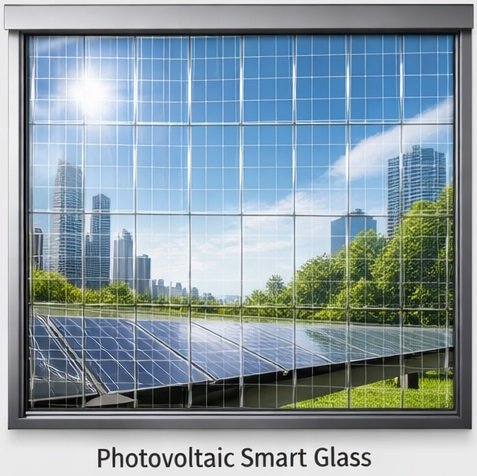
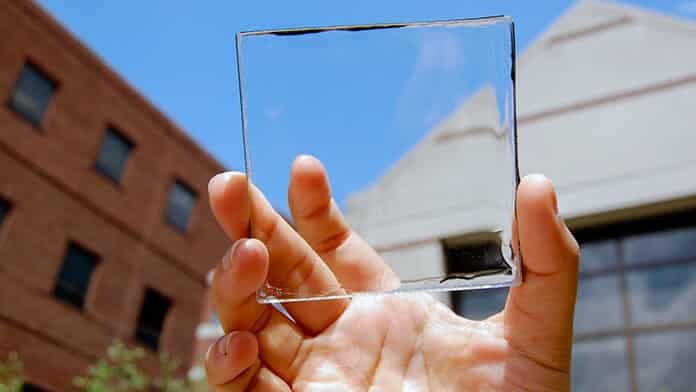
Overview: Photovoltaic (PV) smart glass in sustainable buildings integrates transparent solar cells within windows, turning them into energy generators that produce electricity from sunlight while allowing natural light in, combining power generation with dynamic shading and privacy control (smart glass features) for energy-efficient architecture. This technology replaces conventional glass, transforming passive building facades into active power sources, reducing reliance on the grid, lowering HVAC costs, and supporting net-zero building goals by harnessing otherwise wasted solar energy.
How it works
- Energy Conversion: Thin-film PV cells (made from materials like silicon or perovskites) are embedded between glass layers, converting UV and infrared light into electricity.
- Light Transmission: These cells are engineered to be selective, absorbing non-visible light for power while letting visible light pass through, maintaining transparency.
- Smart Control: Like other smart windows, PV glass can often adjust its tint (transparency/opacity) dynamically, controlling heat gain and glare, sometimes powered by the energy it generates.
Key benefits in sustainable buildings
- Energy Generation: Turns entire building surfaces (windows, facades, skylights) into vertical solar farms, creating decentralized power.
- Reduced Energy Consumption: Dynamic tinting lowers cooling loads (HVAC), reducing overall building energy use.
- Aesthetic Integration: Offers architectural versatility with various colors, patterns, and gradients, integrating seamlessly without bulky panels.
- Sustainability: Contributes to green building certifications (like LEED) and reduces carbon footprints.
Applications
- Office buildings and skyscrapers
- Residential homes (windows, skylights)
- Transportation (car windshields)
In essence, PV smart glass creates “energy-generating smart windows,” a significant step toward buildings that actively produce energy and optimize their own environment.