
OverView: Real-Time Energy Monitoring (RTEM) in Building Automation Systems (BAS) uses sensors, smart meters, and IoT devices to continuously track a building’s energy use (electricity, gas, water) and present it live, enabling immediate identification of waste, automated adjustments (like HVAC/lighting), predictive maintenance, and data-driven optimization for significant cost savings and sustainability in smart buildings.
Key Components & How it Works:
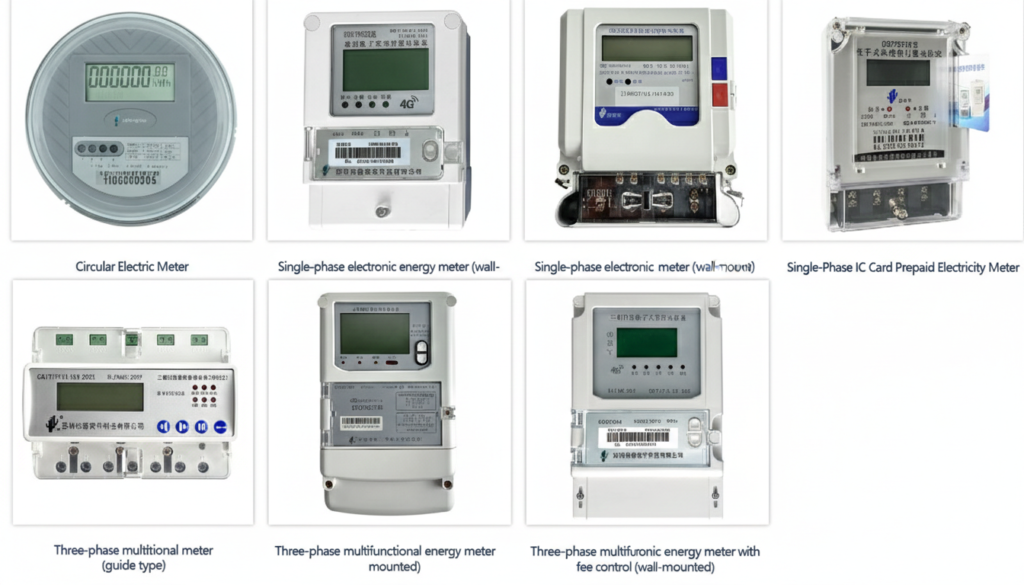
- Sensors & Smart Meters: Devices collect granular data on energy consumption for different systems (lighting, HVAC, equipment).
- IoT & Connectivity: Data flows seamlessly via Ethernet or device-to-device (D2D) protocols to a central platform.
- Building Management System (BMS)/EMS: Software analyzes the real-time data, providing dashboards, analytics, and automation rules.
Benefits & Functions:
- Identify Waste: Pinpoints inefficiencies, anomalies, and equipment running unnecessarily.
- Automated Control: Adjusts lighting, temperature, and ventilation based on occupancy, weather, or peak demand.
- Predictive Insights: Forecasts energy needs, detects potential failures (predictive maintenance), and optimizes usage patterns.
- Sustainability: Reduces carbon footprint and supports integration with renewables.
- Cost Reduction: Lowers utility bills by minimizing peak demand and waste.
In a Smart Building:
RTEM transforms a traditional, static BMS into an intelligent, adaptive system that learns occupant behavior and reacts in real-time, moving beyond simple scheduling to proactive energy management, making buildings more efficient, comfortable, and sustainable.