
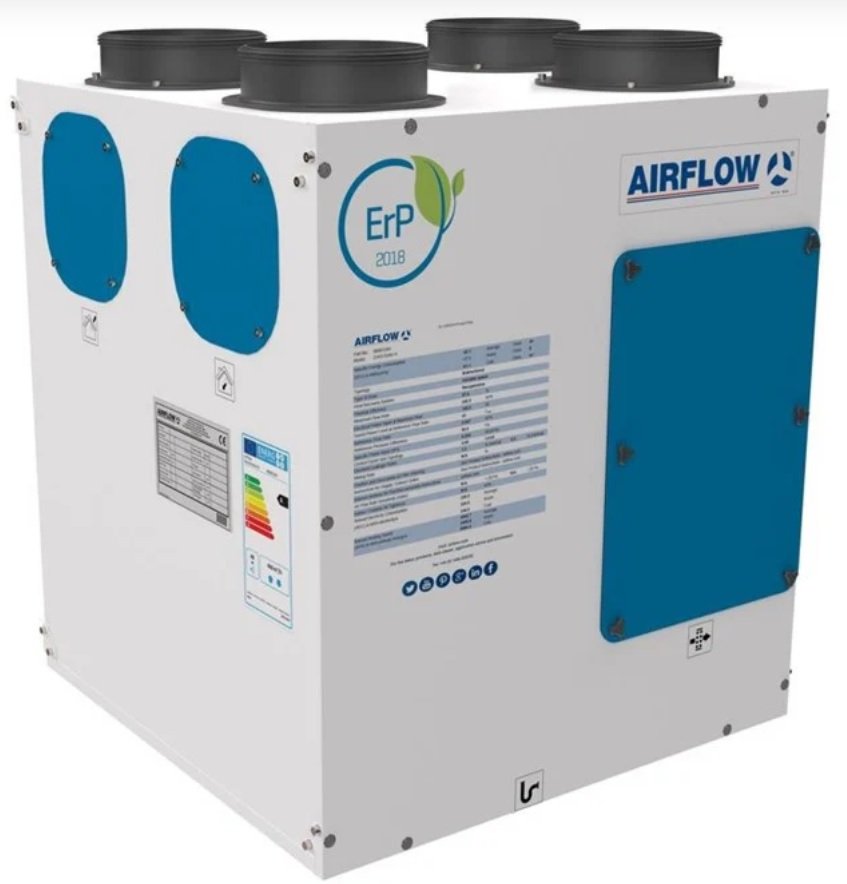
OverView: Heat Recovery Systems (HRS) in Building Automation (BAS) capture waste heat from exhaust air and transfer it to incoming fresh air, significantly cutting HVAC energy use by pre-heating or pre-cooling fresh air, all managed intelligently by BAS to optimize comfort, air quality, and energy efficiency in smart buildings through sensors, data analytics, and AI for automated adjustments.
How they work
- Heat Exchange: A heat exchanger (like in HRVs/ERVs) separates stale indoor air (exhaust) from fresh outdoor air (supply) but allows heat energy to pass between them.
- Winter Operation: Warm exhaust air pre-heats cold incoming fresh air, reducing the load on the heating system.
- Summer Operation: Cool exhaust air pre-cools hot incoming fresh air, easing the cooling load.
- Energy Recovery Ventilators (ERVs): Also transfer moisture along with heat, ideal for humid climates.
Role in Smart Buildings (BAS Integration)
- Data-Driven Control: Sensors (temperature, humidity, occupancy) feed data to the BAS.
- AI Optimization: AI algorithms analyze data, occupant feedback, and weather to proactively adjust ventilation rates and heat recovery levels for personalized comfort and maximum savings.
- Centralized Management: The BAS integrates HRS with other systems (lighting, security) for holistic building performance, reducing overall energy consumption.
- Predictive Maintenance: IoT sensors help the BAS monitor equipment health, predicting maintenance needs before failures occur.
Benefits in Smart Buildings
Sustainability: Lowers carbon footprint.
Energy Savings: Reduces reliance on primary heating/cooling systems.
Improved Air Quality: Constant fresh air supply without energy penalty.
Enhanced Comfort: Maintains stable indoor conditions.