OverView: Smart lighting in smart buildings is
an advanced, network-connected system that uses sensors, software, and IoT (Internet of Things) to automate and optimize lighting for energy efficiency, comfort, and functionality, adjusting automatically to occupancy, natural light, and time of day, often integrating with other building systems like HVAC. It goes beyond simple switches by enabling remote control, personalized settings, and data collection, making lighting responsive to real-time conditions.
Key Components & How it Works
- Sensors: Motion, occupancy, and daylight sensors detect presence and ambient light levels.
- Connectivity: Uses Wi-Fi, Bluetooth, Zigbee, or dedicated networks (like BACnet) to link lights, sensors, and controls.
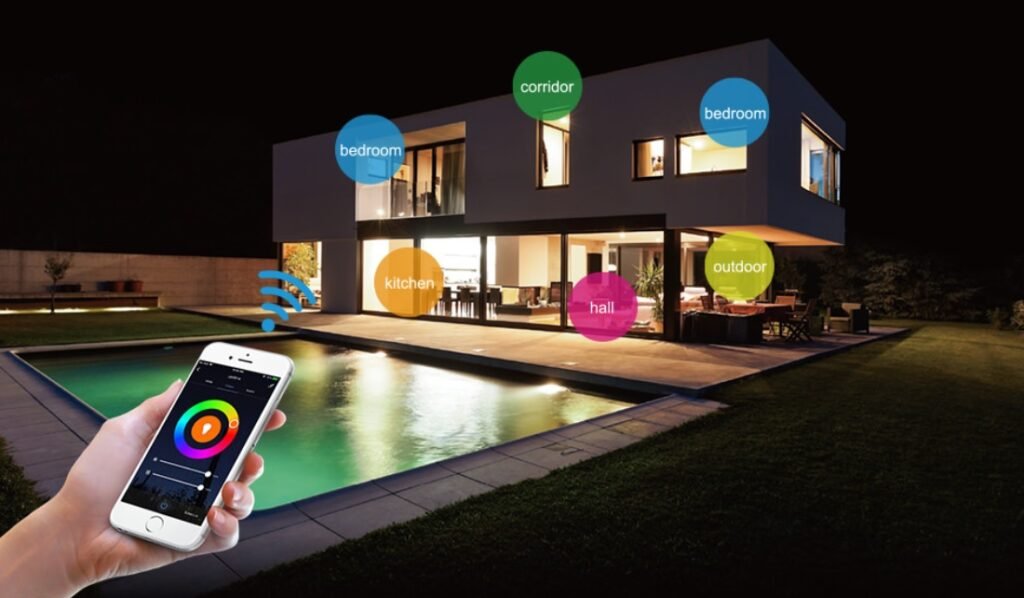
- Software & Control: Centralized software (often cloud-based) processes data and applies rules, controllable via apps, voice, or Building Management Systems (BMS).
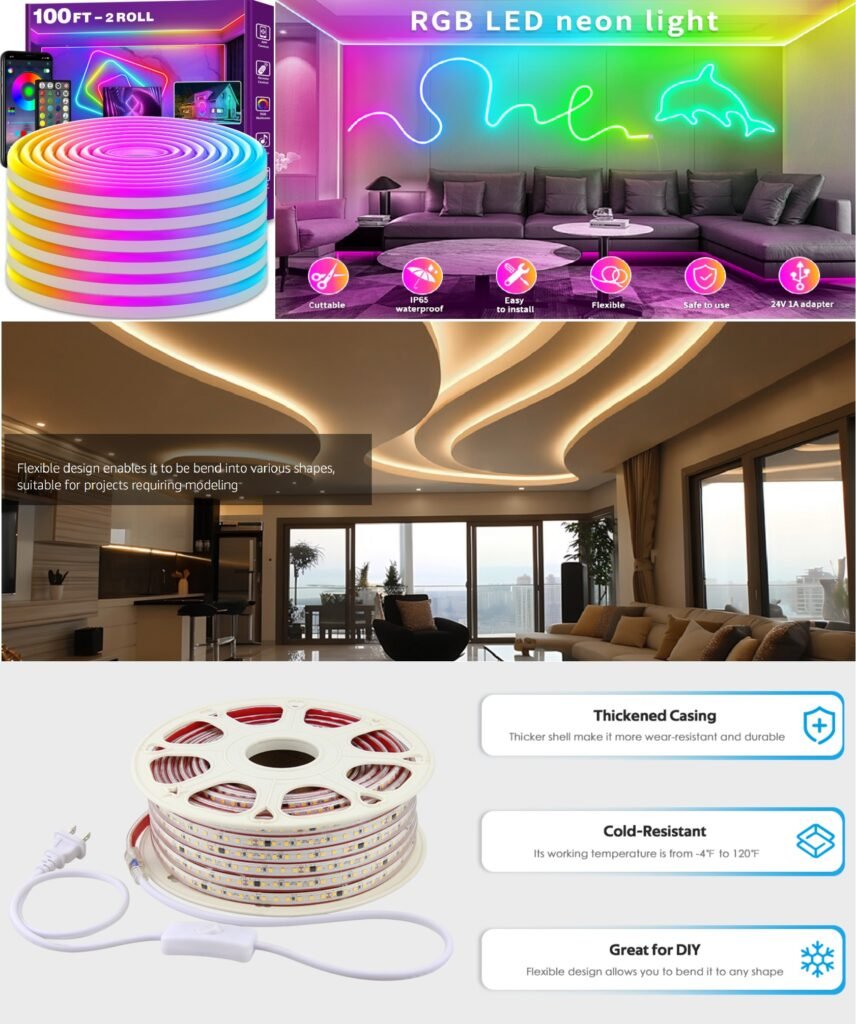
- Smart Fixtures: LED bulbs and fixtures with embedded microprocessors that can change color, intensity, and respond to network commands.
Core Functions & Benefits
- Automation & Scheduling: Lights turn on/off or dim based on schedules or detected presence, reducing energy waste.
- Daylight Harvesting: Adjusts artificial light to supplement natural daylight, maintaining consistent illumination.
- Occupancy Sensing: Lights activate only when rooms are occupied and turn off when empty.
- Personalization: Users can create custom lighting “scenes” for different tasks or moods, enhancing comfort and productivity.
- Energy Efficiency: Significant energy savings by optimizing light usage, supporting sustainability goals (LEED, BREEAM).
- Integration: Connects with HVAC, security, and other systems for holistic building management.
- Data & Analytics: Generates data on usage patterns, helping optimize space planning and maintenance.